Starmus VIII: Science, strings, and synthetic horizons across the Canaries
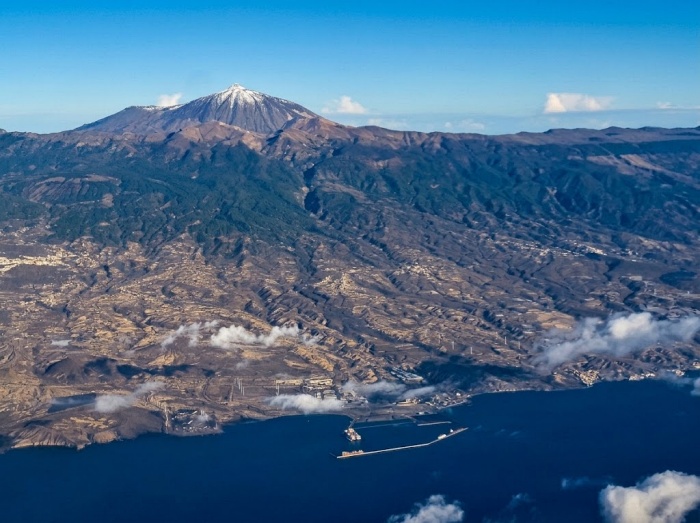
Set against the dramatic jagged peaks and basalt slopes of Tenerife and La Palma, the eighth edition of the Starmus Festival unfolded across six days, concluding on 22 October 2026. Designed around the theme "The Search for Truth," the event combined high-level academic lecture series, physical science assemblies, and orchestral rock staging. The backdrop was distinctly geographical: the stark, volcanic topographies of two Canary Islands whose clear skies and high-altitude ridges have long served as primary outposts for observational astronomy.
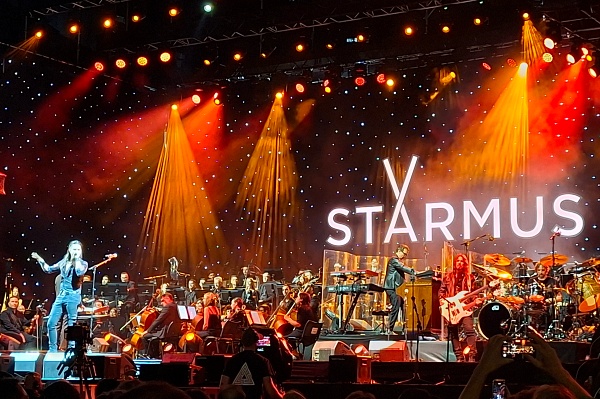
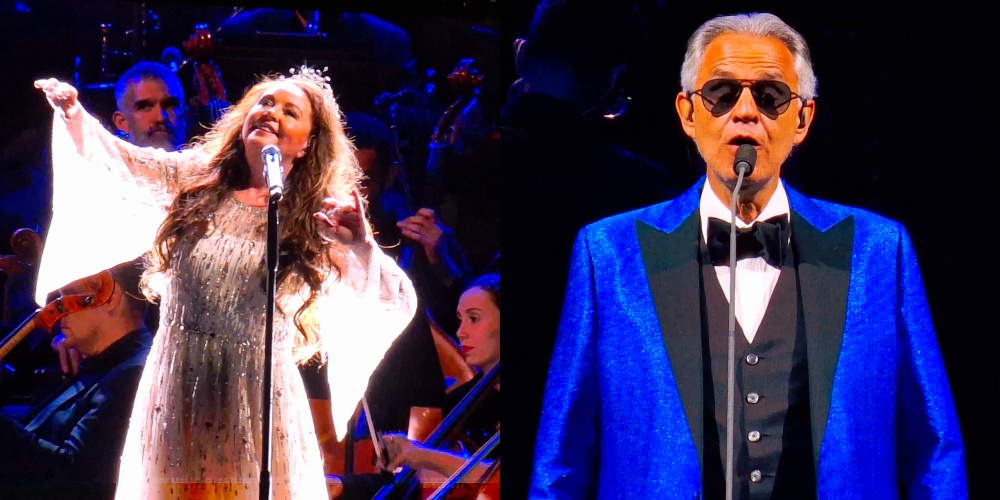
The proceedings launched on Saturday, 17 October, along the harbor of Santa Cruz de Tenerife. The opening night event, entitled "Symphony of the Stars," combined the Stephen Hawking Medal presentation with the inaugural Jane Goodall Earth Ceremony. Rick Wakeman accompanied the formal awards presentation from the grand piano. Shortly after, soprano Sarah Brightman took the stage in a voluminous white gown and tiara. Her set began with "Ave Maria," moving into a rendition of Kansas’s "Dust in the Wind" before shifting to "Nella Fantasia," her vocal adaptation of Ennio Morricone’s theme from The Mission. Croatian vocalist Dino Jelusick then joined Brightman for a high-register, operatic duet of "The Phantom of the Opera."
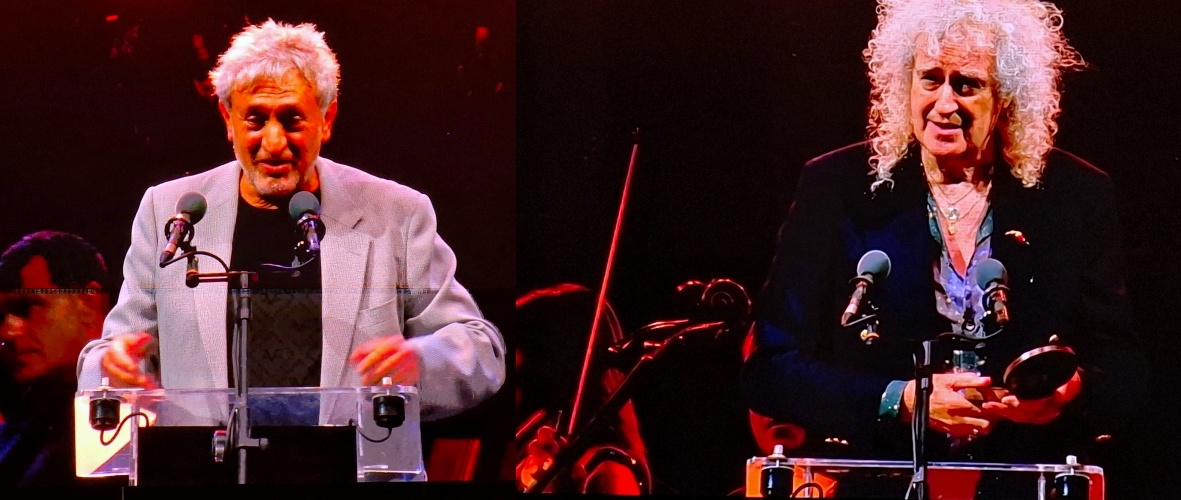
A light rain began over the open-air harbor as tenor Andrea Bocelli stepped out in a blue sequined jacket alongside Queen guitarist Sir Brian May. The pair delivered a symphonic arrangement of "Who Wants to Live Forever," driven by May’s trademark Red Special guitar. Astronaut Chris Hadfield followed, acoustic guitar in hand, performing David Bowie’s "Space Oddity." The musical sequence drew to a close with an ensemble finale: every featured artist returned to stage backed by the Las Palmas Symphony Orchestra to execute "Bohemian Rhapsody," with May leading the charge.
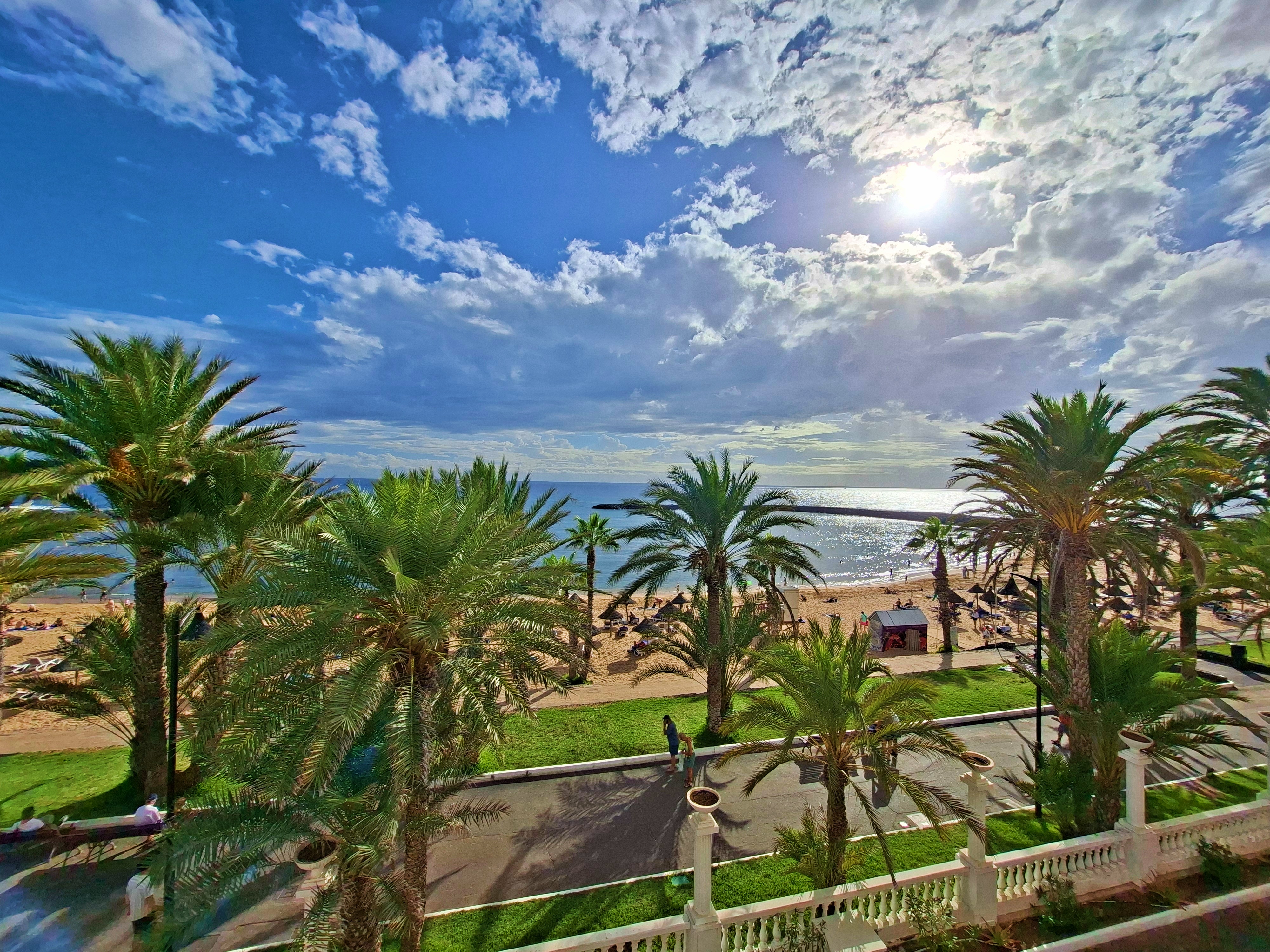
Following the launch in Santa Cruz, the central conference program transferred south to the Pirámide de Arona in Playa de las Américas. Over three consecutive afternoon sessions, the auditorium hosted an extraordinary breadth of speakers from theoretical physics, artificial intelligence, and space flight. Key talks were delivered by computer scientist and Nobel laureate Geoffrey Hinton—frequently recognized as a foundational figure in modern AI—delivering a keynote on the provocative question: "Can machines understand the world?"
The scientific roster was reinforced by additional Nobel laureates, including neuroscientist May-Britt Moser, who presented new insights on spatial navigation networks within the brain, alongside quantum physicist Ferenc Krausz and oceanographer Jane Lubchenco. Space exploration was represented in person by NASA Artemis II crew member Victor Glover, who reflected on his extraordinary journey around the Moon during his incredible lunar flyby, alongside veteran astronaut Julie Payette and climate leader Christiana Figueres.
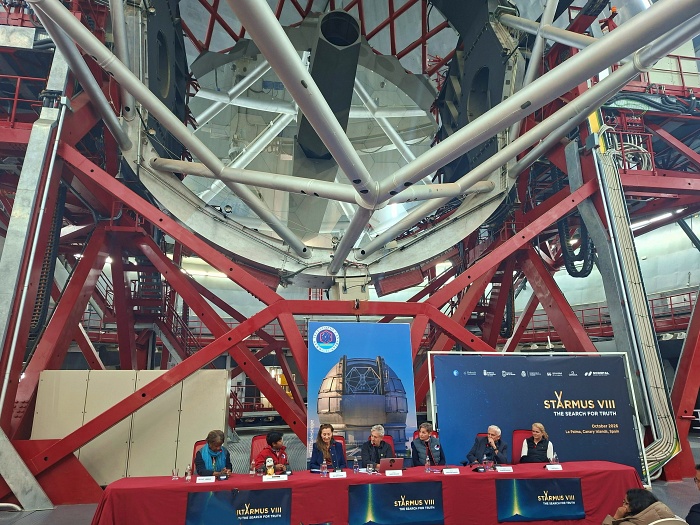
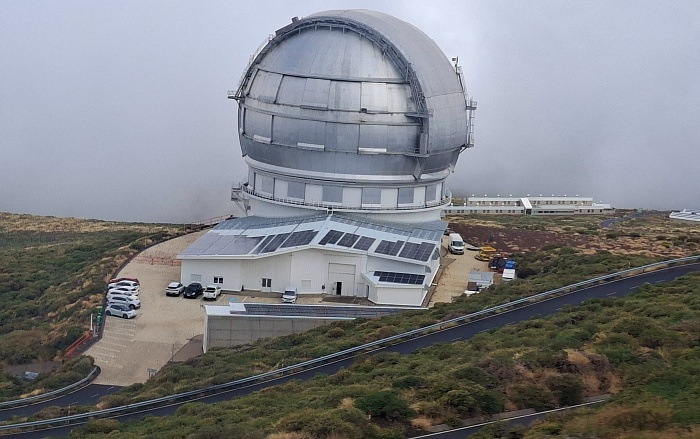
On 22 October, Starmus Festival transitioned to its final stage on the island of La Palma, renowned for its dark skies and sheer volcanic elevations. Daytime activities centered on the Gran Telescopio Canarias (GTC), the world's largest optical-infrared telescope perched atop the Roque de los Muchachos. The high-altitude observatory provided an imposing setting for a panel featuring Figueres, Moser, Payette, and co-founder Dr. Garik Israelian.
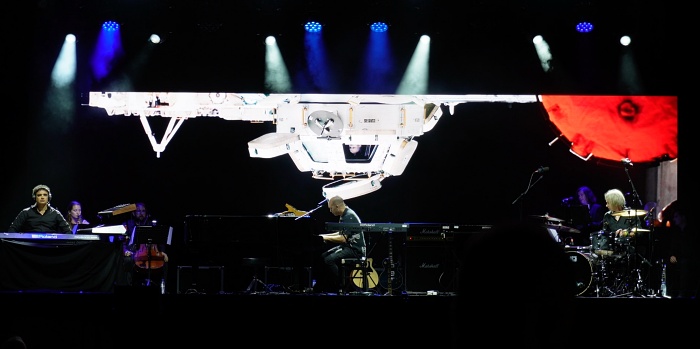
The festival concluded that evening with a free, public concert in Los Llanos de Aridane. British composer Ilan Eshkeri presented Space Station Earth, a full live performance of his double album developed in collaboration with the European Space Agency. Positioned in front of massive ultra-high-definition visual screens projecting original footage recorded by astronauts aboard the International Space Station, Eshkeri conducted a hybrid ensemble combining classical strings, electronic synthesizers, and live percussion.
The arrangement followed the structured trajectory of the recording. The performance opened with the delicate acoustic textures of "Maps" and "Sun," gradually picking up speed through the rhythmic ostinatos of "Day" and "Rocket." Dynamic percussion anchored "Launch," before giving way to the expansive, ambient textures of "International Space Station" and "Astronauts." Synchronized precisely with orbital footage of Earth’s atmosphere, the string section pushed through "Night (Part 1)" and "Night (Part 2)." The suite reached its harmonic climax during "Aurora," driven by layered synthesizer arpeggios, before descending into the muted, minimal decay of "Stars." Eshkeri’s score maintained a precise balance between orchestral weight and electronic minimalism, reflecting the steady orbital velocity of the ISS above the Atlantic.
What truly set Starmus VIII apart was its remarkable concept: bringing together Nobel laureates, pioneering astronauts, and legendary musicians, not as isolated performers, but as co-collaborators in the search for truth. This eclectic collection of minds found its perfect canvas in the Canary Islands, where the stark, beautiful volcanic landscapes of Tenerife and La Palma provided an inspiring, natural amphitheater that bridged the earthly with the cosmic—a unique feat for which co-founders Dr. Garik Israelian and Sir Brian May should thoroughly pat themselves on the back for a job well done.